Why
Designing a product requires understanding the entire lifecycle of an object. To truly grasp how design decisions impact reality, we needed to bridge the gap between a conceptual idea and a physical product ready for sale. The goal was a design and manufacture a product that is ready for sale on campus.
What
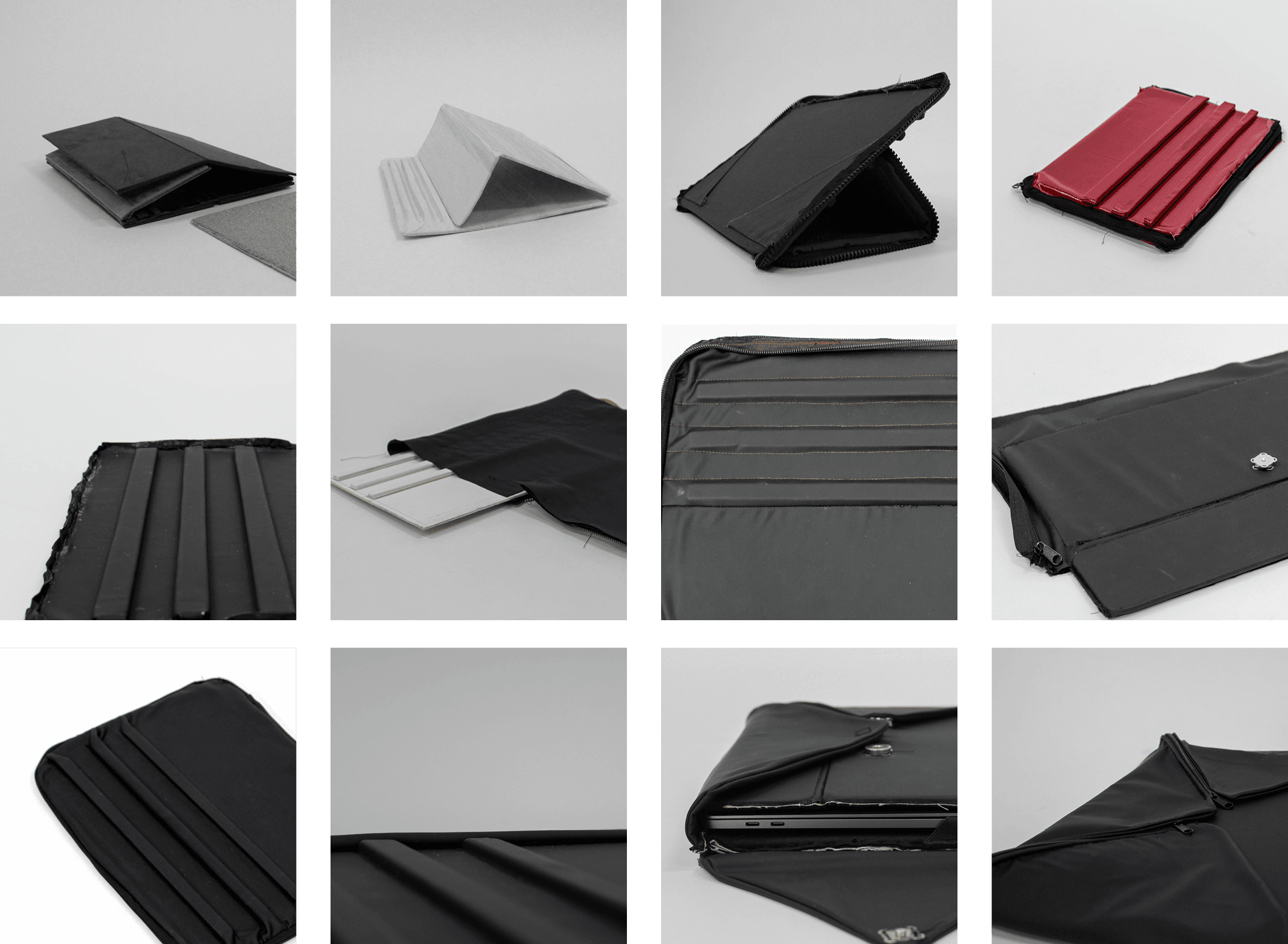
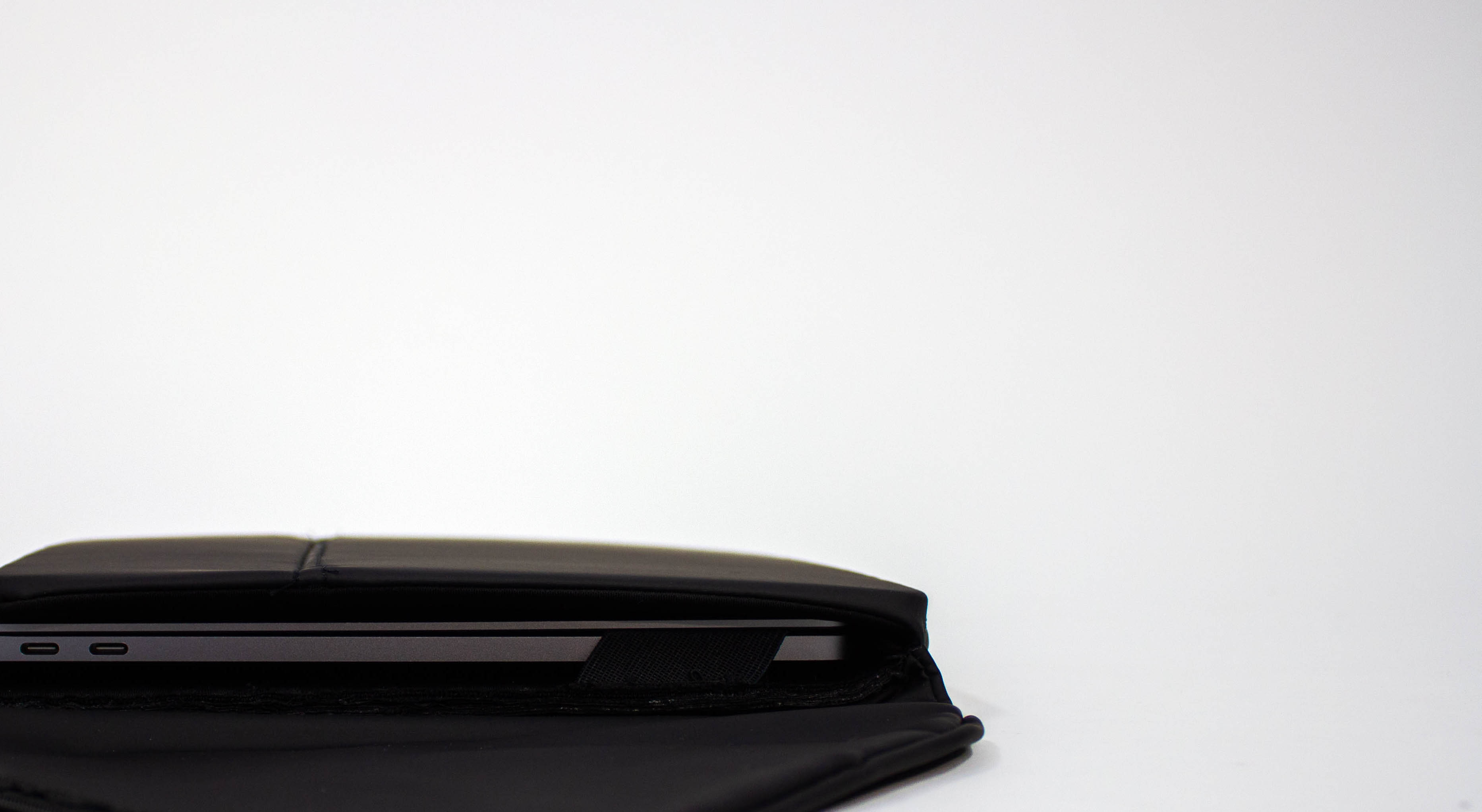
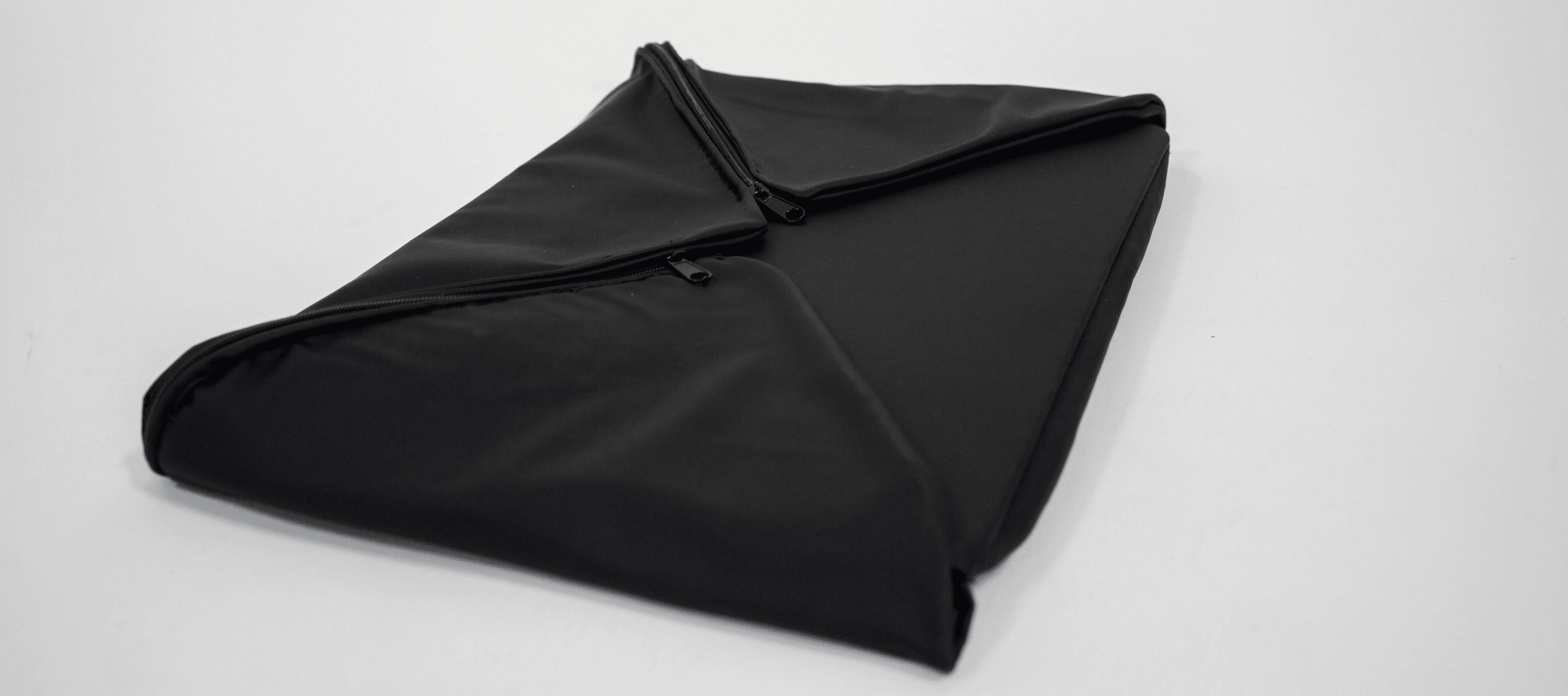
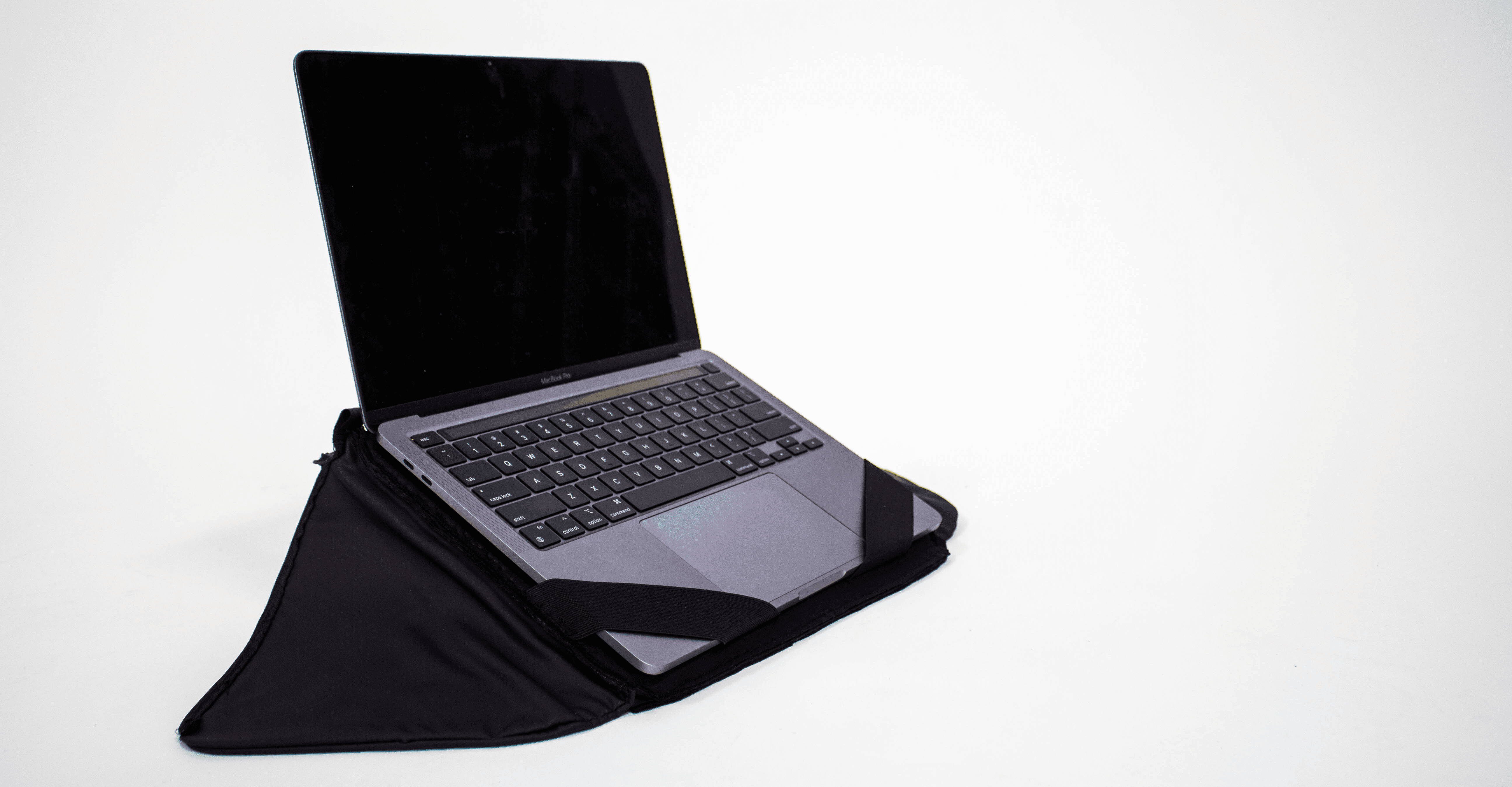
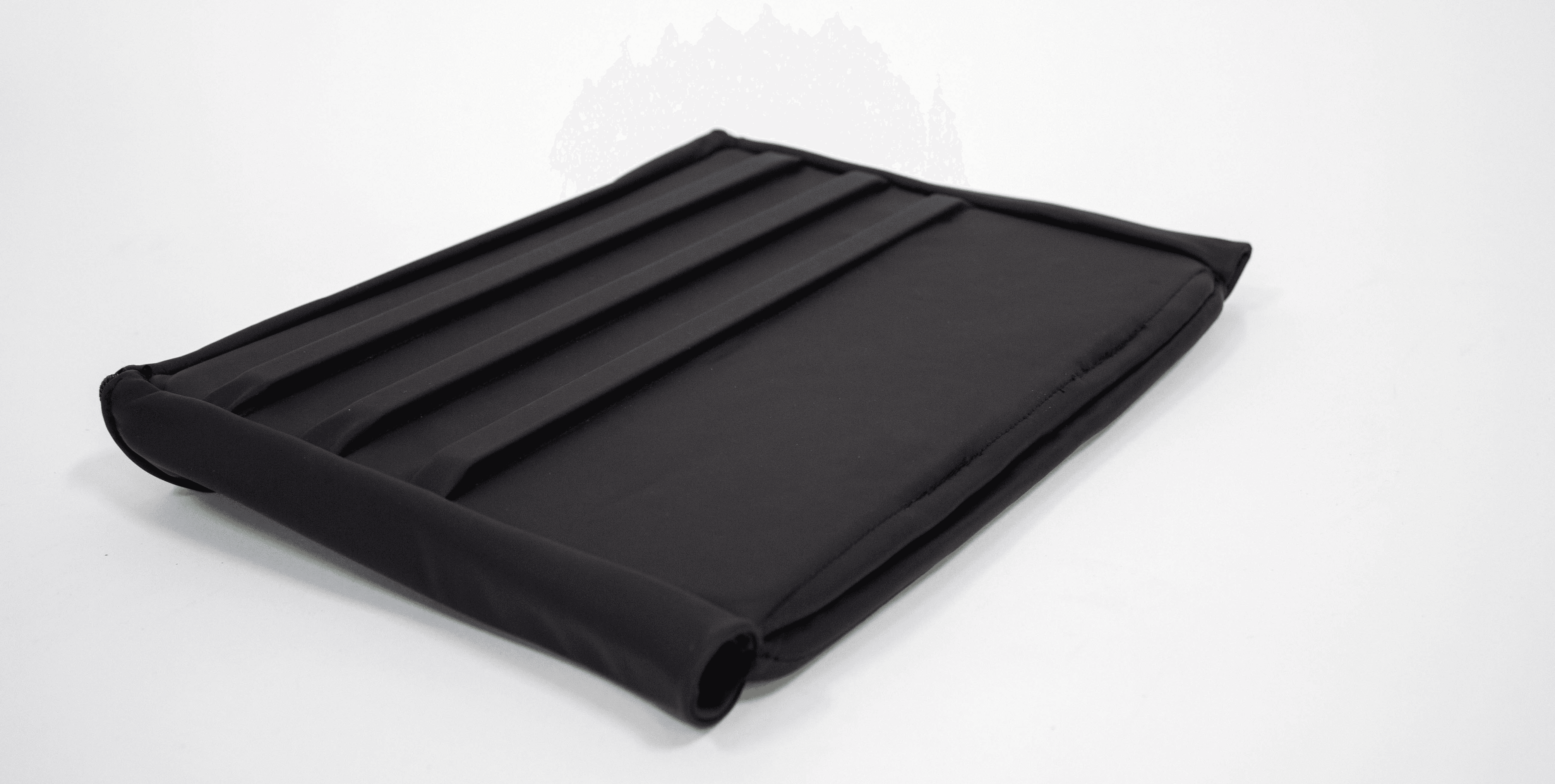
We designed and manufactured a multi-functional laptop case designed specifically for the nomadic university student. This case peels away from the MacBook to transform into an adjustable, ergonomic stand, providing a comfortable working experience wherever a student chooses to set up camp on campus.
How
User Research: Interviews, Observations, Storyboards
Market Research: Competitors, Trends, Pricing
Low and High Fidelity Prototyping
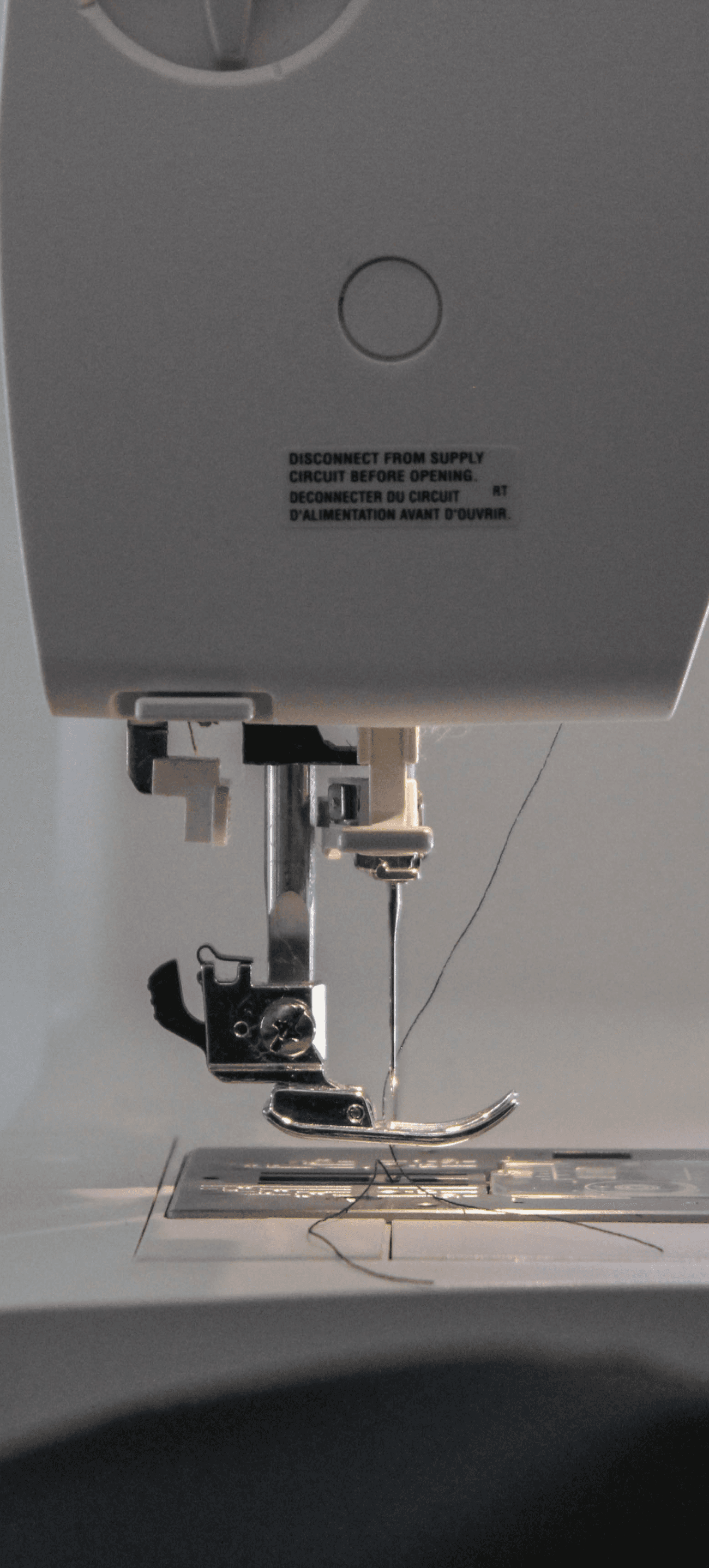
Manufacturing: Machining and Sewing
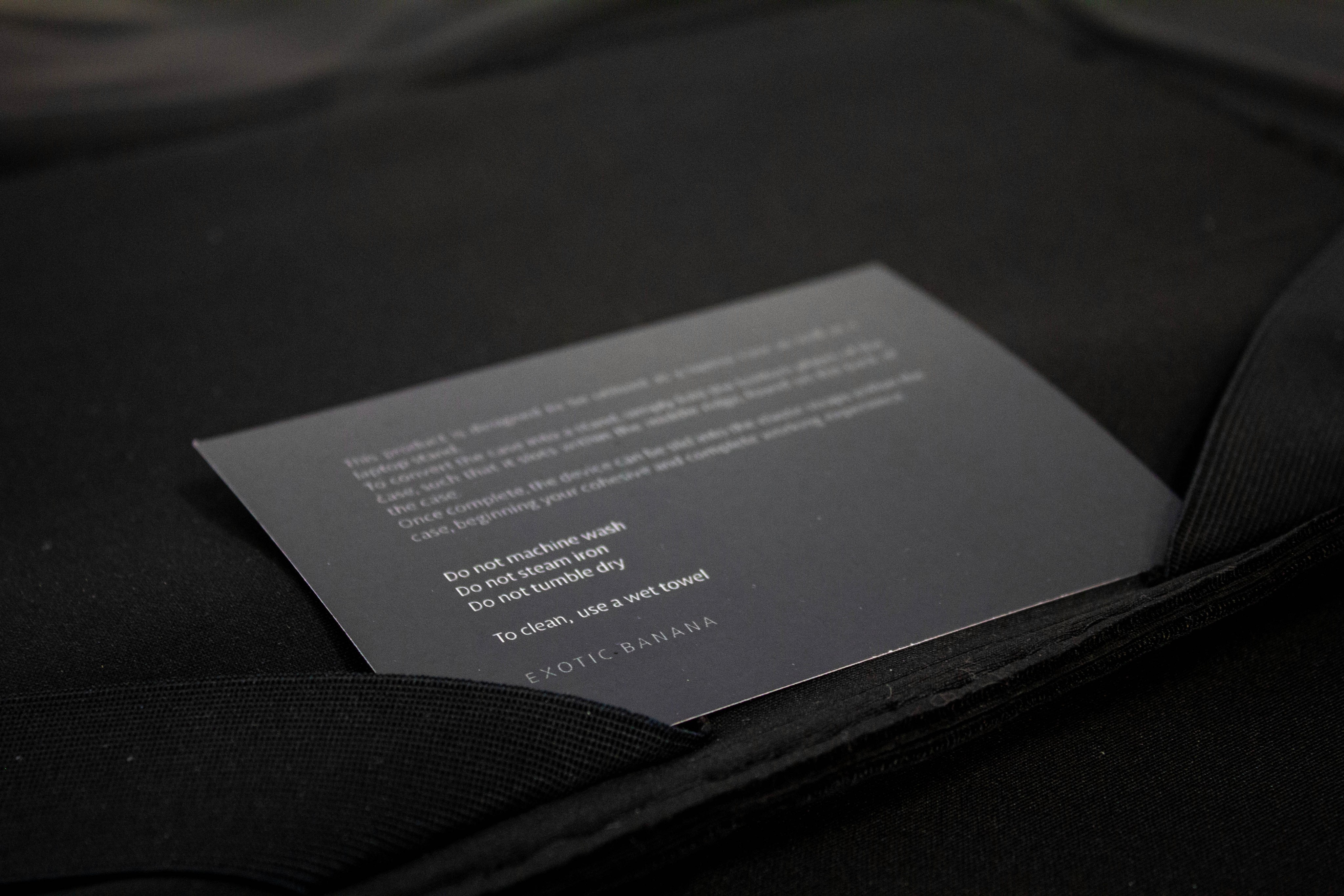
Packaging
Design Process
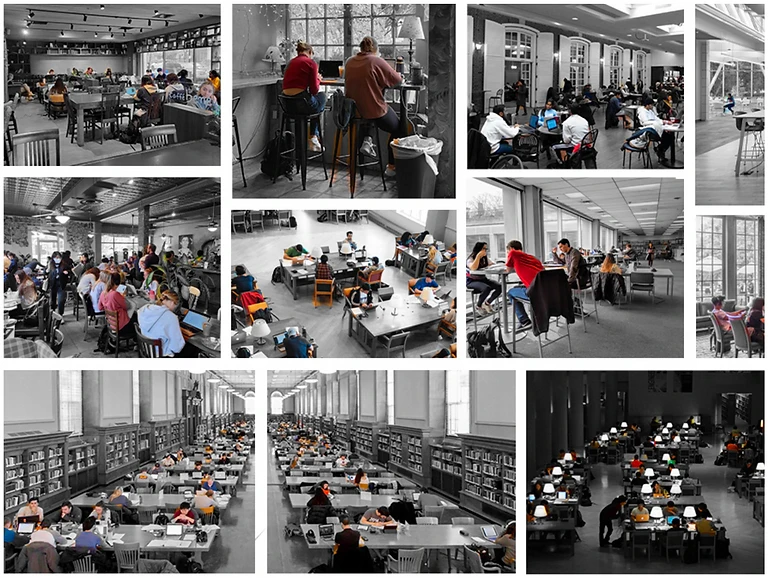
Our target was the nomadic student, working from cafes, libraries, and outdoor benches. We dove deep into their behavior through observations and interviews to understand how they operate and what they are truly looking for in a mobile workspace.
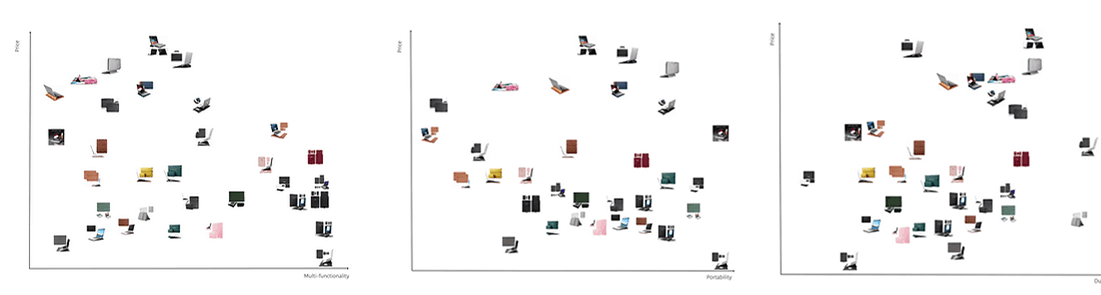
Then we mapped out the market and studied how brands position themselves across features, pricing, materials, and style. This helped us define where our product needed to stand to be both competitive and unique.
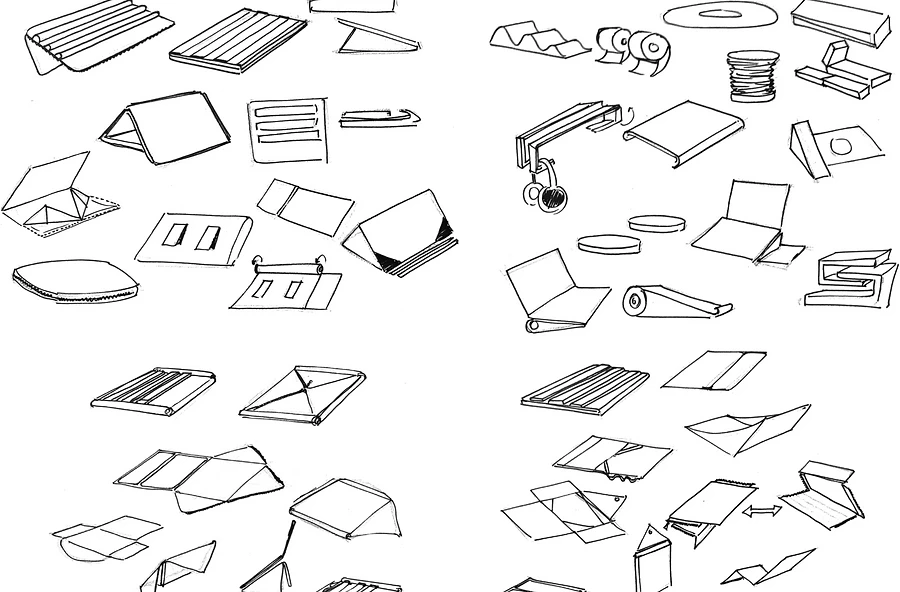
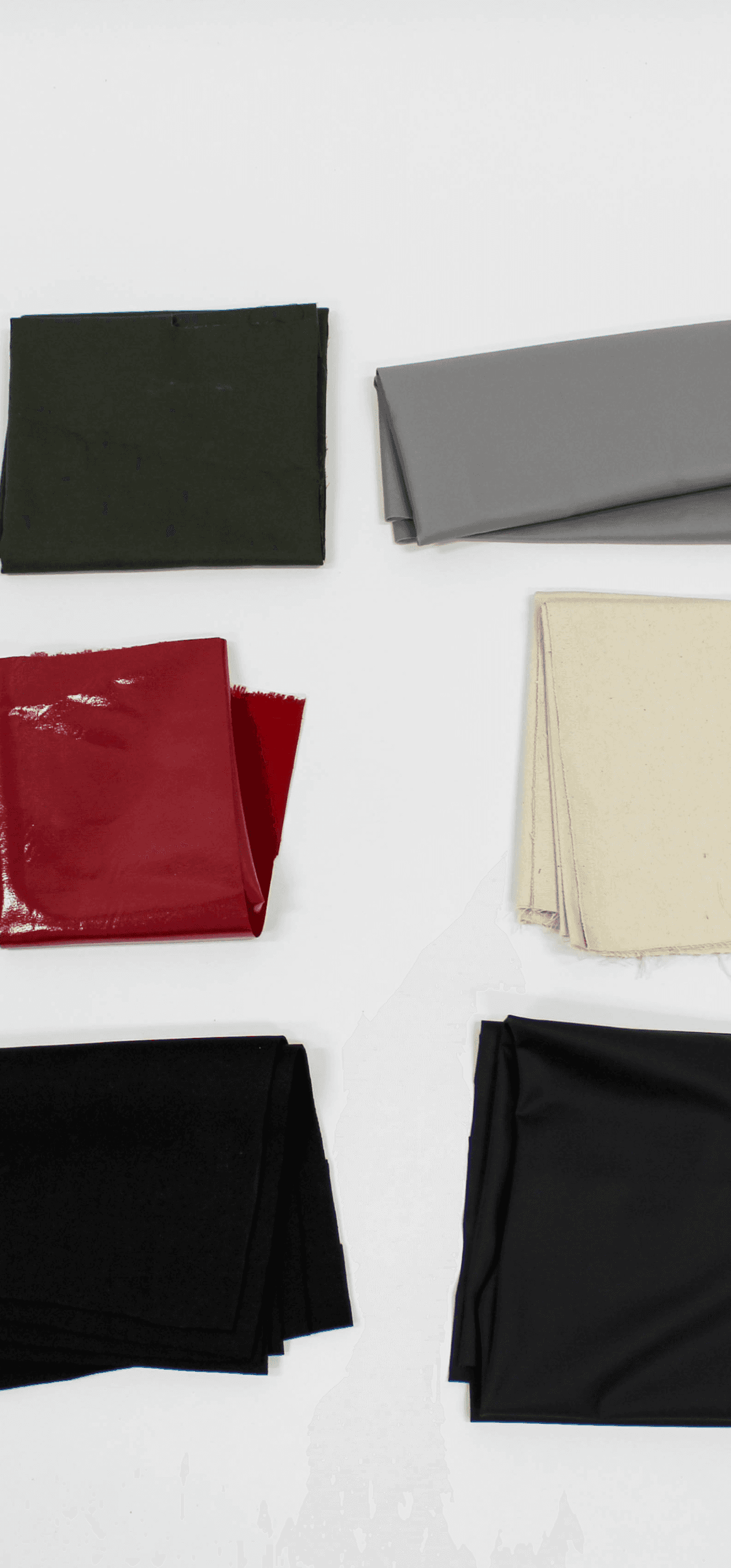
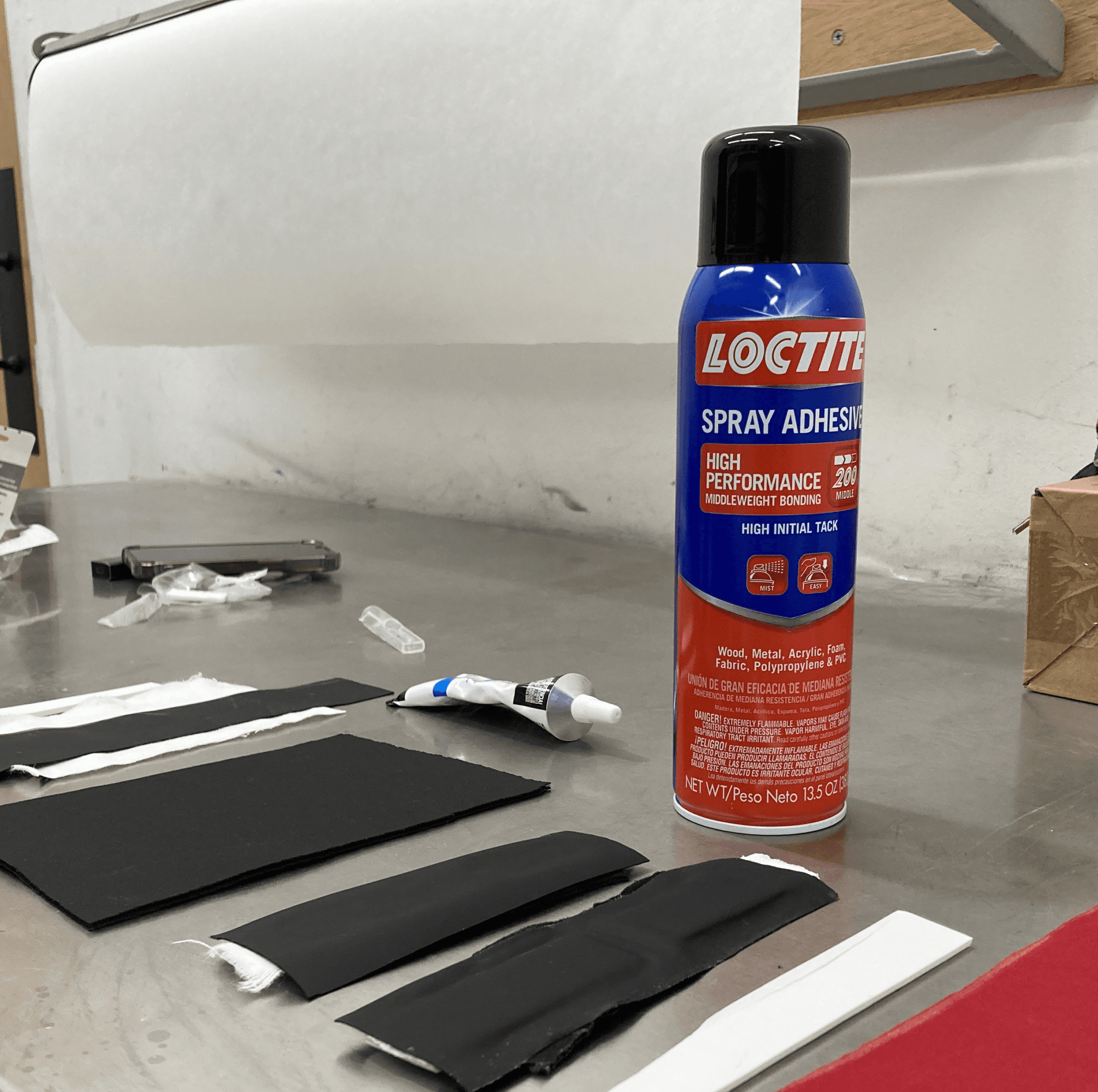
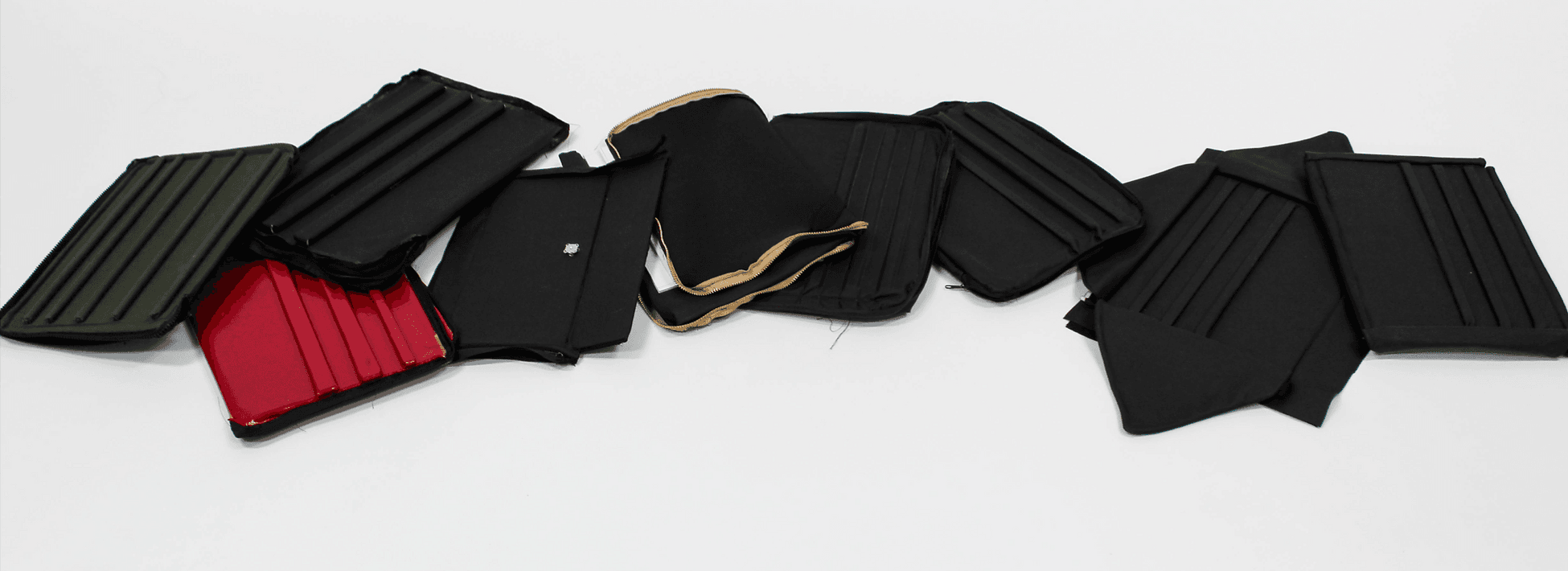
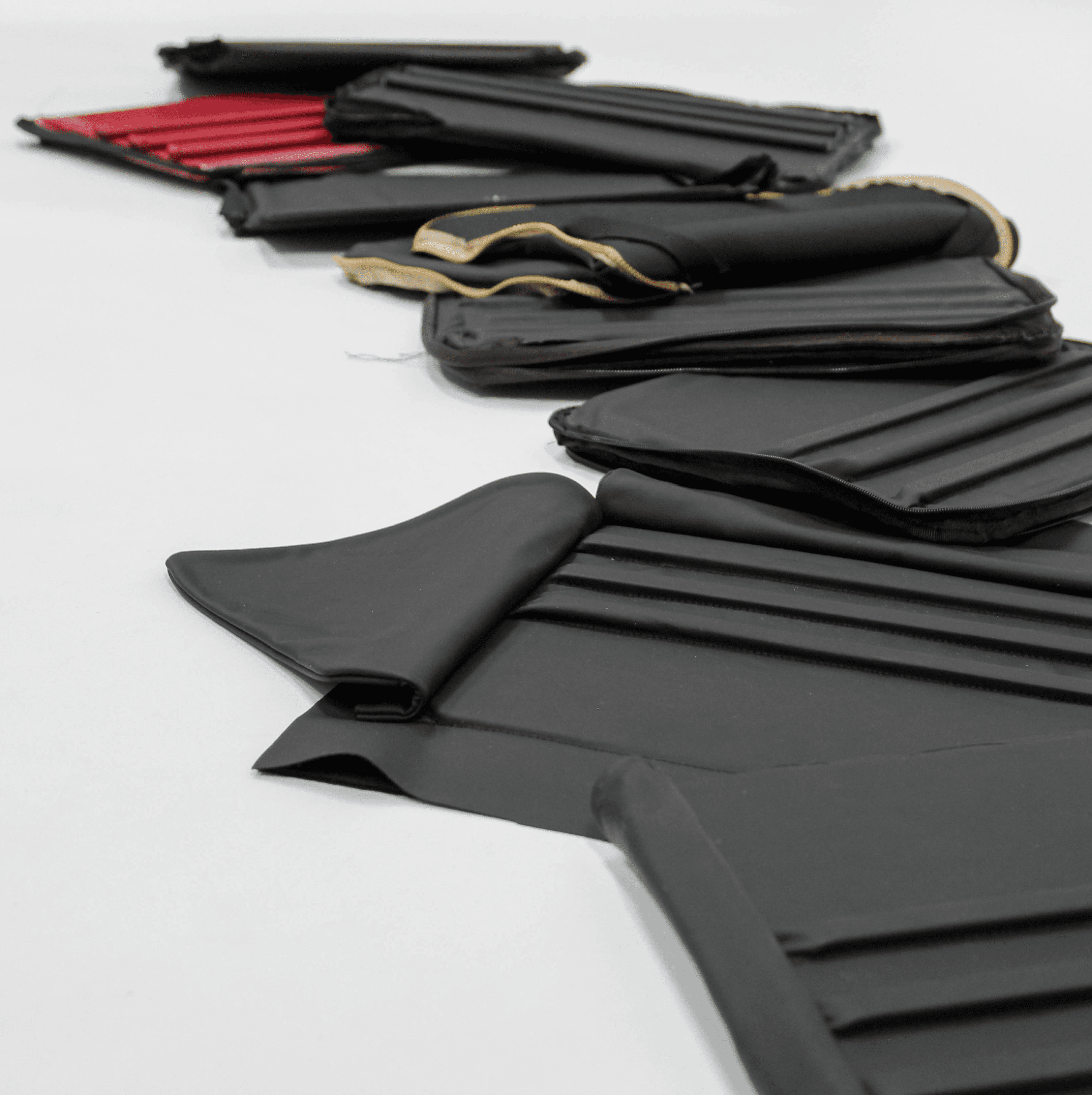
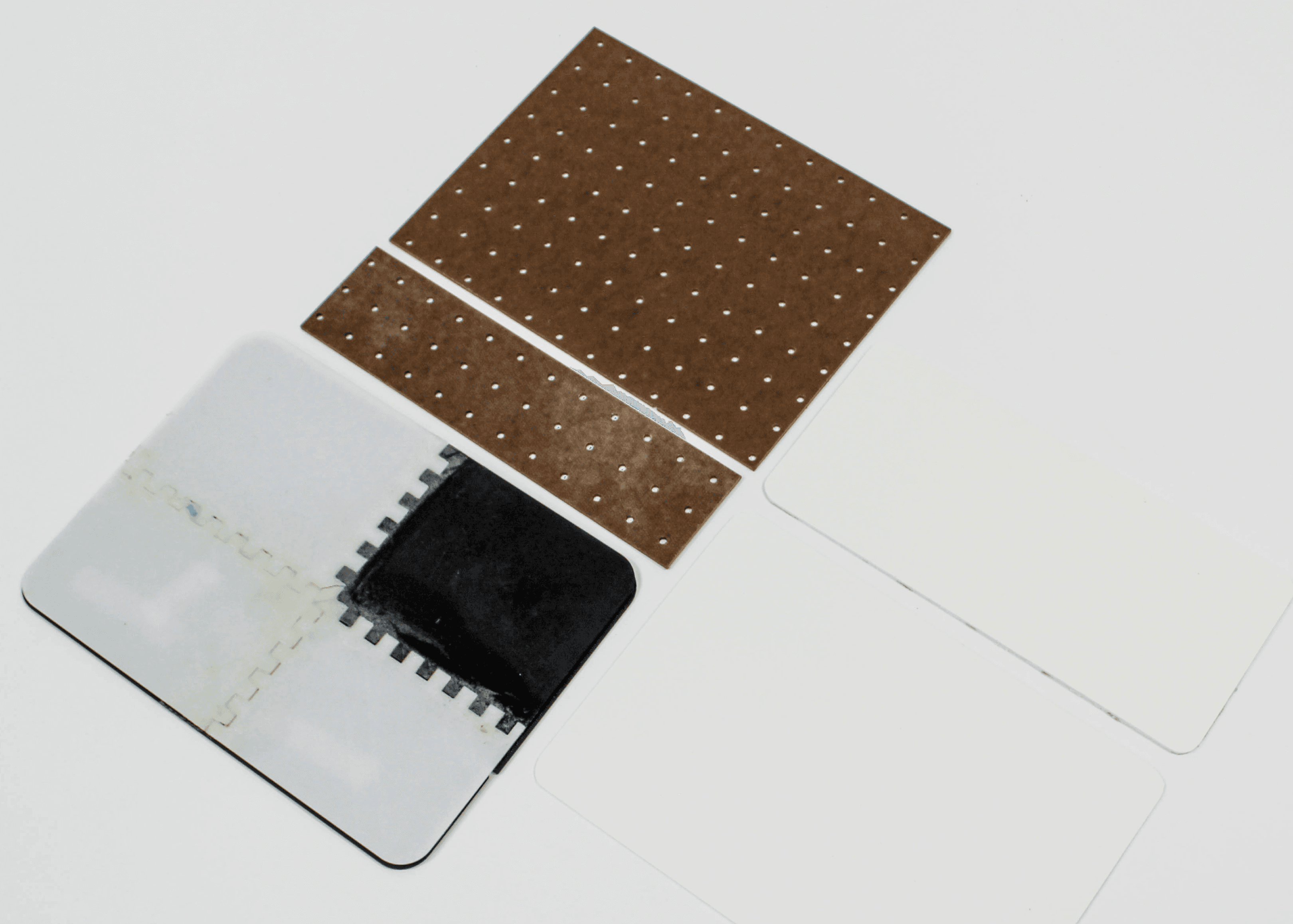
Then we prototyped. Again and again. As we were building a soft product without prior sewing experience, we spent weeks understanding the material. We learned that good design requires a good understanding of the material.
We tested our prototypes with people, and made design changes to the form and material based on feedback. A truly humbling experience.
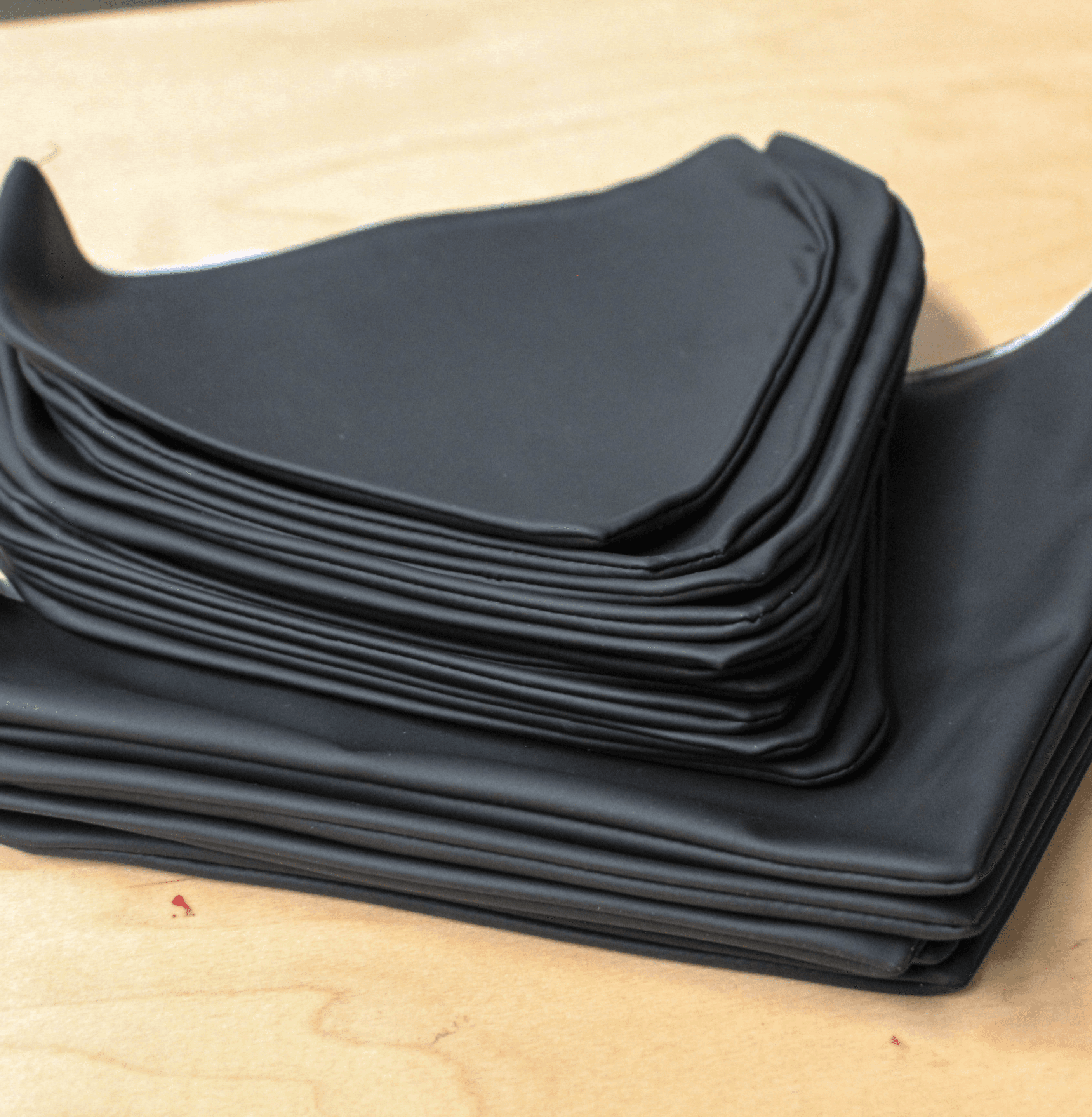
Finally, we refined our workflow through trial and error and established a small-scale manufacturing line to produce an initial run of 15 market-ready cases.